What Is Zs Testing? | Electrical Safety Explained
Electrical safety testing is an important part of ensuring circuits disconnect quickly during a fault to help reduce the risk of electric shock and electrical fires. One of the key tests electricians carry out during an EICR or electrical inspection is Zs testing, which verifies sufficient fault current flow to allow protective devices such as MCBs and RCDs to disconnect within the required disconnection time.
In this article, we explain what Zs testing is, why it matters, and how electricians use it to verify electrical safety in homes and commercial properties across London.
When Is Zs Testing Required?
- Electrical Installation Condition Reports (EICR)
- Consumer unit upgrades
- New electrical installations
- Fault finding and diagnostic inspections
- Landlord electrical safety checks
- Commercial electrical inspections
Video Transcript:
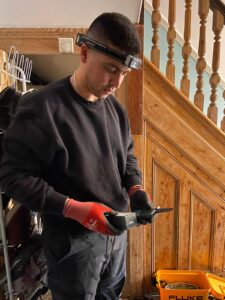
Today we’re carrying out Zs testing on this circuit to verify sufficient fault current flow and ensure the protective device can disconnect within the required disconnection time.
This test is important because if fault current is too low, the MCB may not trip quickly enough during a fault condition, which can increase the risk of electric shock and electrical hazards.
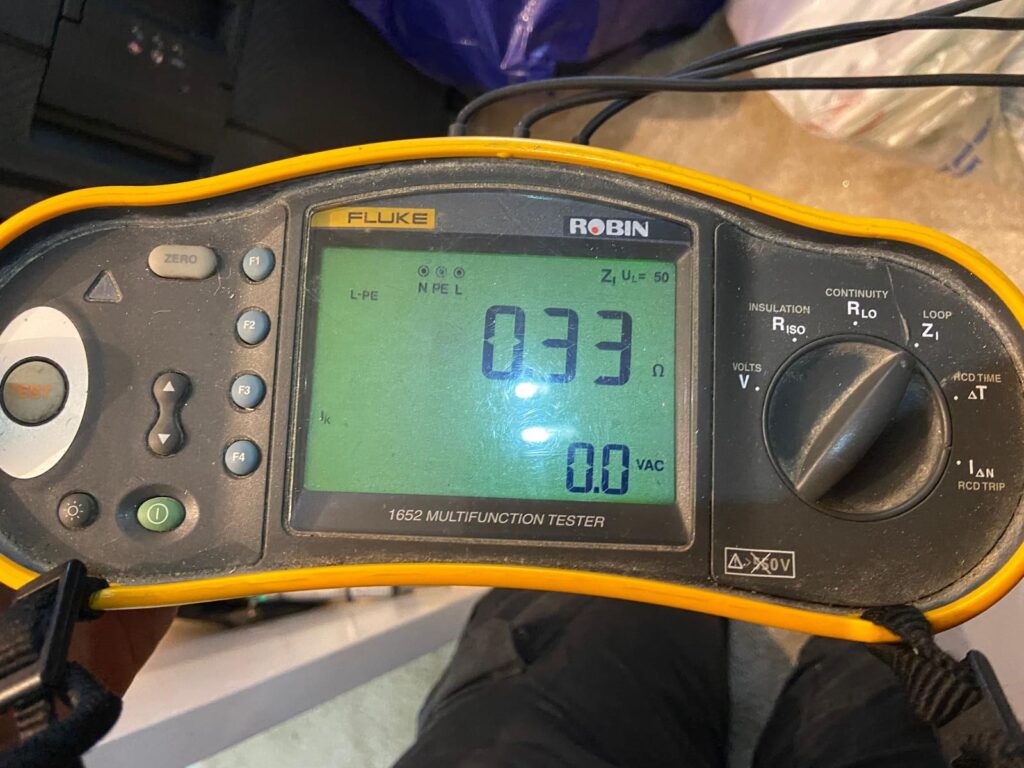
Using a calibrated multifunction tester, we are measuring the earth fault loop impedance of the circuit and comparing the readings against the maximum permitted values required under current electrical regulations.
Zs testing is commonly carried out during EICRs, fault finding and electrical inspections to help ensure electrical installations operate safely.
Zs Testing for London Properties
Many older properties across Chiswick, Richmond, Ealing and surrounding West London areas may have outdated wiring systems or aging protective devices. Zs testing helps identify whether electrical circuits can disconnect safely under fault conditions and whether further remedial work may be required.
At SMR Group, we carry out electrical testing for homeowners, landlords, offices, shops and commercial properties across London.
What Is Zs Testing?
Zs testing, also known as earth fault loop impedance testing, is carried out to verify sufficient fault current flow within an electrical circuit and ensure protective devices such as MCBs and RCDs disconnect within the required disconnection time.
During the test, electricians measure the impedance of the earth fault loop using a calibrated multifunction tester. The recorded reading is then compared against the maximum permitted values specified under current electrical regulations to help confirm the circuit can operate safely during a fault condition.
If the earth fault loop impedance is too high, insufficient fault current may flow through the circuit, which can prevent the protective device from disconnecting quickly enough. This can increase the risk of electric shock, overheating and electrical hazards.
Zs testing is commonly carried out during EICRs, fault finding, consumer unit upgrades and electrical inspections across domestic and commercial properties.
Why Fault Current Flow Is Important
Fault current flow is essential for ensuring protective devices such as MCBs and RCDs can operate correctly during a fault condition. When a fault occurs, enough fault current must flow through the circuit to allow the protective device to disconnect the supply within the required disconnection time.
If the fault current is too low, the MCB may not trip quickly enough, which can increase the risk of electric shock, overheating and potential electrical hazards. This is why electricians carry out Zs testing during electrical inspections and EICRs to help verify the circuit can safely disconnect under fault conditions.
Several factors can affect fault current flow, including poor earthing, loose connections, damaged wiring, long cable runs and older electrical installations. Identifying high earth fault loop impedance values early can help prevent safety issues and ensure the electrical installation continues to operate safely and in accordance with current electrical regulations.
How MCBs and RCDs Protect Electrical Circuits
MCBs and RCDs are designed to help protect electrical circuits and reduce the risk of electric shock, overheating and electrical faults within an installation.
An MCB, or miniature circuit breaker, is designed to disconnect the supply automatically when excessive current or a fault condition is detected within a circuit. This helps protect electrical wiring and connected equipment from damage caused by overloads and short circuits.
An RCD, or residual current device, provides additional protection against electric shock by monitoring the flow of current within the circuit. If an imbalance is detected, which may indicate current flowing to earth, the RCD disconnects the supply rapidly to help reduce the risk of injury.
For these protective devices to operate correctly, sufficient fault current flow must be present within the circuit. This is why electricians carry out Zs testing during EICRs and electrical inspections to verify the protective devices can disconnect within the required disconnection time in accordance with current electrical safety regulations.
Why Disconnection Time Matters for Electrical Safety
Disconnection time is an important part of electrical safety because protective devices such as MCBs and RCDs must disconnect the supply quickly during a fault condition to help reduce the risk of electric shock and electrical hazards.
When a fault occurs within a circuit, excessive fault current can flow through exposed conductive parts and electrical equipment. If the protective device does not disconnect within the required disconnection time, dangerous touch voltages may remain present for longer than permitted, increasing the risk of injury and damage to the electrical installation.
Electrical regulations specify maximum disconnection times to help ensure circuits operate safely under fault conditions. During electrical inspections and EICRs, electricians carry out tests such as Zs testing to verify sufficient fault current flow is present to allow protective devices to disconnect within the required time limits.
Factors such as poor earthing, damaged wiring, loose connections and high earth fault loop impedance can affect disconnection times and prevent protective devices from operating correctly.
How Electricians Carry Out Zs Testing
Electricians carry out Zs testing using a calibrated multifunction tester to measure the earth fault loop impedance of a circuit and verify sufficient fault current flow is present to allow protective devices to disconnect safely within the required disconnection time.
During the test, the electrician connects the test instrument to the circuit and records the earth fault loop impedance reading. The measured value is then compared against the maximum permitted values specified under current electrical regulations to help confirm the circuit can operate safely during a fault condition.
Zs testing is commonly carried out during EICRs, fault finding, consumer unit upgrades and electrical inspections across domestic and commercial properties. The test helps identify issues that may affect fault current flow, including poor earthing, loose connections, damaged wiring and high impedance within the circuit.
Accurate electrical testing is important for helping ensure MCBs and RCDs can operate correctly during a fault and disconnect the supply quickly to help reduce the risk of electric shock and electrical hazards.
At SMR Group, we carry out Professional Electrical Testing and certified electrical inspections across London using calibrated testing equipment and current industry standards.
Common Reasons a Circuit Can Fail Zs Testing
Several issues within an electrical installation can cause a circuit to fail Zs testing by increasing the earth fault loop impedance and reducing fault current flow. If the impedance is too high, protective devices such as MCBs and RCDs may not disconnect within the required disconnection time, which can increase the risk of electric shock and electrical hazards.
One common cause of high Zs readings is poor earthing, where the earthing system is damaged, inadequate or incorrectly connected. Loose electrical connections can also increase resistance within the fault path and affect the operation of protective devices during a fault condition.
Older electrical installations and damaged wiring may also contribute to high earth fault loop impedance values, particularly in properties with ageing electrical systems or signs of deterioration. Long cable runs can additionally increase circuit impedance and affect fault current flow, especially if the circuit design is not suitable for the installation.
During electrical inspections and EICRs, Electricians carry out Zs testing to identify these issues and verify the electrical installation can operate safely in accordance with current electrical regulations.
When Should You Have Electrical Testing Done?
Electrical testing should be carried out regularly to help ensure electrical installations remain safe, compliant and capable of operating correctly under fault conditions. Over time, electrical systems can deteriorate due to ageing components, damaged wiring, loose connections and increased electrical demand within the property.
One of the most common reasons for electrical testing is an EICR, which is recommended for homeowners, landlords and commercial properties to help identify potential electrical safety issues before they become dangerous. Electrical testing is also important after renovations, consumer unit upgrades, fault finding work or when purchasing an older property.
Signs such as frequent tripping, flickering lights, overheating accessories or recurring electrical faults may also indicate the need for professional electrical inspection and testing. During these inspections, electricians carry out tests including Zs testing to verify sufficient fault current flow and ensure protective devices such as MCBs and RCDs can disconnect safely within the required disconnection time.
Professional Electrical Testing Services in London
Professional electrical testing is essential for helping ensure electrical installations remain safe, compliant and capable of operating correctly under fault conditions. Electrical systems can deteriorate over time due to ageing components, damaged wiring, poor connections and increased electrical demand, making regular inspection and testing an important part of maintaining electrical safety.
At SMR Group, we provide Professional Electrical Testing Services across London for domestic and commercial properties, including EICRs, fault finding, consumer unit inspections and electrical safety testing. Using calibrated testing equipment and current industry standards, our qualified electricians carry out tests such as Zs testing to verify sufficient fault current flow and ensure protective devices disconnect within the required disconnection time.
Our Inspections help identify issues including high earth fault loop impedance, poor earthing, damaged wiring and other conditions that may affect the safe operation of an electrical installation.
If you’re based in:
- Chiswick
- Ealing
- Acton
- Hammersmith & Fulham
- Hampstead
- Holland Park
- Kensington & Chelsea
- Knightsbridge
- Kew
- Kingston upon Thames
- St John’s Wood
- Mayfair
- Putney
- Richmond
- Sutton
- Twickenham
- Teddington
- Wimbledon Village
you can rely on SMR Group for professional electrical testing, EICRs, fault finding and electrical safety inspections across London.
Our Qualified Electricians carry out Zs testing, earth fault loop impedance testing and electrical inspections to help ensure protective devices such as MCBs and RCDs disconnect safely within the required disconnection time.
We provide reliable service, rapid response and certified electrical testing for domestic and commercial properties throughout London.
Example of a Failed Zs Test
During a recent electrical inspection in West London, our electricians identified a circuit with excessively high Zs readings caused by a loose earth connection. Because the fault current could not disconnect safely within the required time, remedial work was carried out immediately to restore electrical safety compliance.
Frequently Asked Questions About Zs Testing
What does Zs mean in electrical testing?
Zs refers to earth fault loop impedance. It measures the resistance of the fault current path to ensure protective devices disconnect safely during an electrical fault.
Is Zs testing part of an EICR?
Yes. Zs testing is commonly carried out during Electrical Installation Condition Reports (EICRs) to verify electrical safety and compliance.
What happens if Zs readings are too high?
If the measured impedance is too high, protective devices such as MCBs or RCDs may not disconnect quickly enough during a fault, which can create a safety risk.
Do landlords need Zs testing?
Landlords may require Zs testing as part of periodic electrical inspections and EICR certification for rental properties.